




🧪 Material Science Verified 💡 Eco-Friendly Cleaning Facts 📅 Updated for 2026 How to Remove […]

One day your baby is happily lying on a play mat, and before you know it they’re rolling across the floor, crawling toward electrical outlets, pulling themselves up using furniture, and reaching for anything within arm’s length. These exciting milestones are signs of healthy development, but they also remind parents that a baby’s world expands much faster than expected.
Baby safety is not about preventing exploration. It is about creating an environment where children can safely learn, move, and discover while reducing unnecessary risks. As babies grow stronger, more curious, and increasingly independent, the home should evolve with them.
This category provides practical safety guidance, room-by-room checklists, developmental advice, and trusted educational resources that help families create safer spaces without limiting healthy exploration.
The safety challenges parents face naturally change as children develop. A newborn requires a safe sleep environment, while a crawling infant begins exploring cabinets, stairs, and electrical cords. Soon after, toddlers start climbing furniture, opening drawers, and becoming curious about every room in the house.
Preparing before each milestone is often easier than reacting afterward. Looking ahead allows families to identify potential hazards before children reach them.
Instead of waiting until your child discovers a new ability, reviewing home safety every few months helps ensure your environment continues supporting safe development.
Every stage brings new opportunities to improve your home’s safety without restricting curiosity or learning.
Reviewing each area of your home individually often makes childproofing feel more manageable.
Small improvements throughout the home often provide meaningful protection while preserving a comfortable family environment.
Many accidents occur not because parents are careless, but because children’s abilities change quickly. A baby who couldn’t reach a shelf yesterday may surprise everyone today. Waiting until after a near miss to childproof an area often creates unnecessary stress.
Common oversights include leaving furniture unsecured, assuming one safety product protects an entire room, forgetting seasonal hazards, and overlooking everyday objects such as cords, batteries, or small household items.
Regular safety reviews are more effective than one-time childproofing. As your child grows, continue adapting your home to match new developmental milestones.
Childproofing products play an important role, but they work best when combined with consistent supervision and healthy family routines. Teaching simple safety habits as children grow encourages gradual independence while reinforcing safe behavior.
Parents, grandparents, babysitters, and other caregivers should also understand how your home’s safety systems work so routines remain consistent regardless of who is caring for your child.
Editor’s Tip: Every few months, walk through your home at your child’s eye level. Looking at rooms from a crawling baby’s perspective often reveals hazards that adults rarely notice from standing height.
This category has been created to help parents build safer homes through practical educational resources, developmental guidance, and age-based safety recommendations.
Creating a safer home isn’t a one-time project—it’s an ongoing process that evolves as your baby grows. Small improvements made before each developmental milestone help families enjoy exploration, learning, and everyday life with greater confidence.
Explore our practical safety guides, developmental checklists, expert educational resources, and trusted buying guides to help protect your growing child at every stage of early childhood.
🧪 Material Science Verified 💡 Eco-Friendly Cleaning Facts 📅 Updated for 2026 How to Remove […]

🩺 CDC Safety Guidelines 💡 Evidence-Based Nutrition 📅 Updated for 2026 How to Safely Warm […]
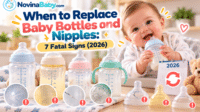
🩺 Pediatrician Approved Safety ⚠️ CPSC Hazard Guidelines 📅 Updated for 2026 When to Replace […]

🩺 Pediatrician Reviewed Guidelines 💡 Evidence-Based Safety Facts 📅 Updated for 2026 Glass vs Plastic […]
No More Posts Available.
No more pages to load.

Empowering parents with expert-reviewed baby gear guides and evidence-based advice for the first year and beyond.
As an Amazon Associate, Novina Baby earns from qualifying purchases.