
👶 Parent-Tested Wisdom
📅 Updated for 2026
Congratulations, you are having a baby! Now, where is the instruction manual? That is the exact frantic thought that crosses every first-time parent’s mind at 3:00 AM while staring down at a crying infant who refuses to sleep, wondering if a weird sneeze or strange poop color warrants a call to the pediatrician.
In the digital age, Google and TikTok are flooded with conflicting advice, terrifying mom-fluencer forums, and thousands of opposing opinions on sleep training, feeding schedules, and developmental milestones. It is enough to induce severe paralysis by analysis. Sometimes, the absolute best antidote to digital panic is a well-researched, authoritative book written by pediatricians, child psychologists, and experienced neonatal nurses.
For our 2026 definitive guide, the Novina Baby editorial team reviewed the parenting section’s heavy hitters. We evaluated clarity, scientific grounding, tone (because exhausted parents don’t need judgment; they need empathy), and real-world practicality.
Our overall top recommendation for an all-encompassing, encyclopedia-style survival guide remains the legendary What to Expect the First Year. However, if your immediate anxiety revolves around sleep deprivation, the soothing techniques in The Happiest Baby on the Block are an absolute lifesaver.
Quick Answer: The Best Baby Care Books of 2026
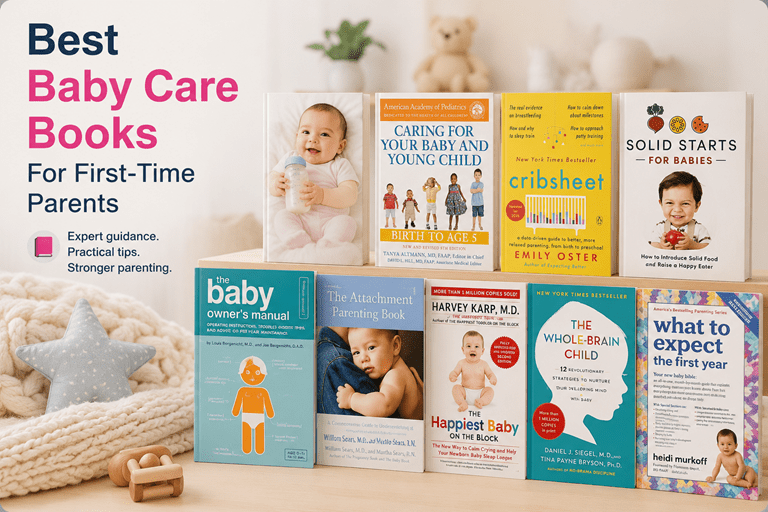
Looking for a reliable read to add to your baby registry? Here is a rapid breakdown of our top 10 book recommendations Best Baby Care Books For First-Time Parents categorized by what they do best.
| Category / Focus | Our Top Pick | Why We Recommend It |
|---|---|---|
| Best Overall Encyclopedia | What to Expect the First Year | The definitive month-by-month guide covering health, feeding, and milestones. |
| Best for Newborn Soothing | The Happiest Baby on the Block | Dr. Harvey Karp’s famous 5 S’s method for calming a crying baby instantly. |
| Best Pediatrician-Authored | Caring for Your Baby and Young Child | Published by the American Academy of Pediatrics (AAP); the ultimate medical authority. |
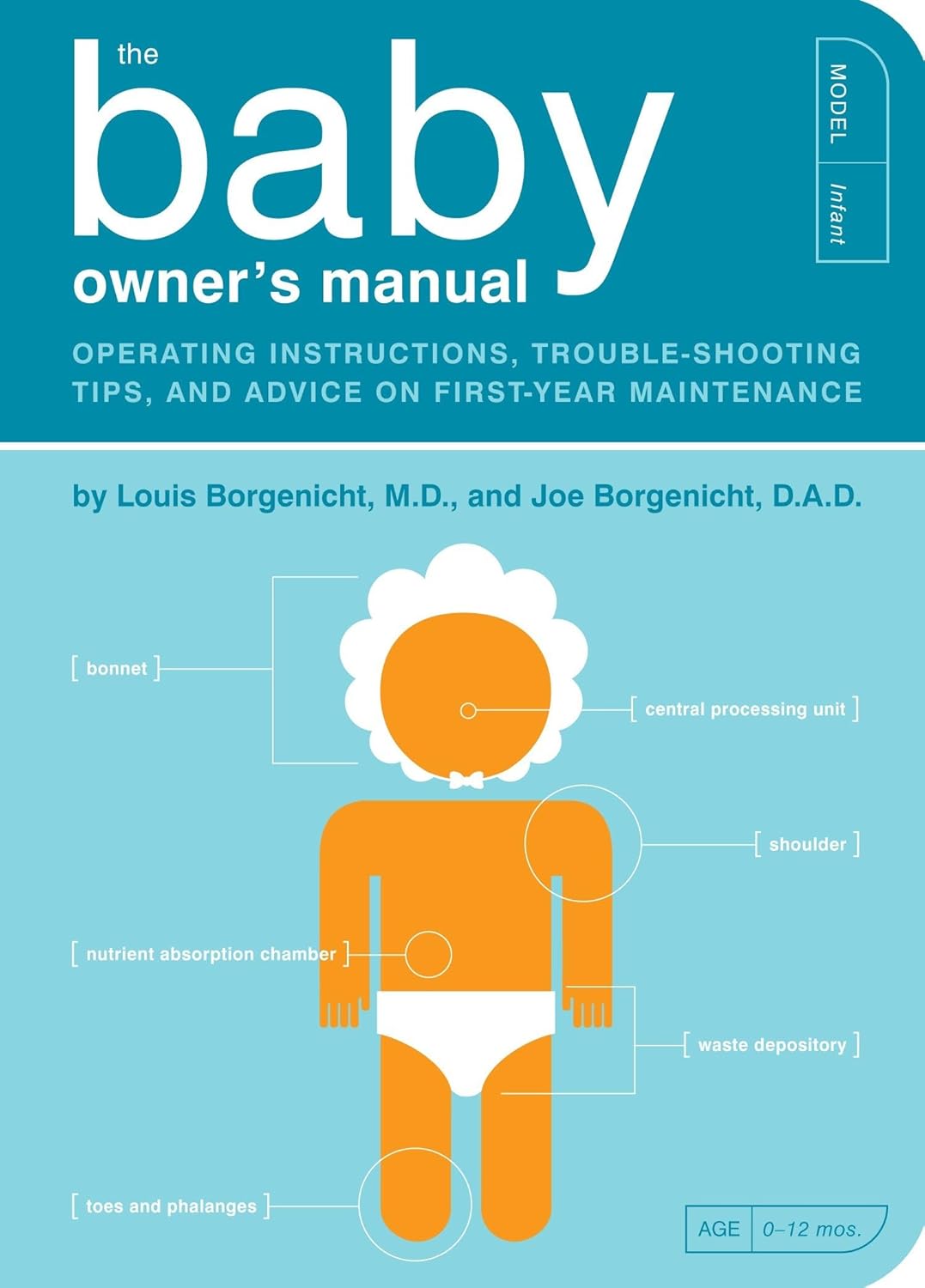
| Best No-Nonsense Manual | The Baby Owner’s Manual | Written in a hilarious, step-by-step technical repair manual style with diagrams. |
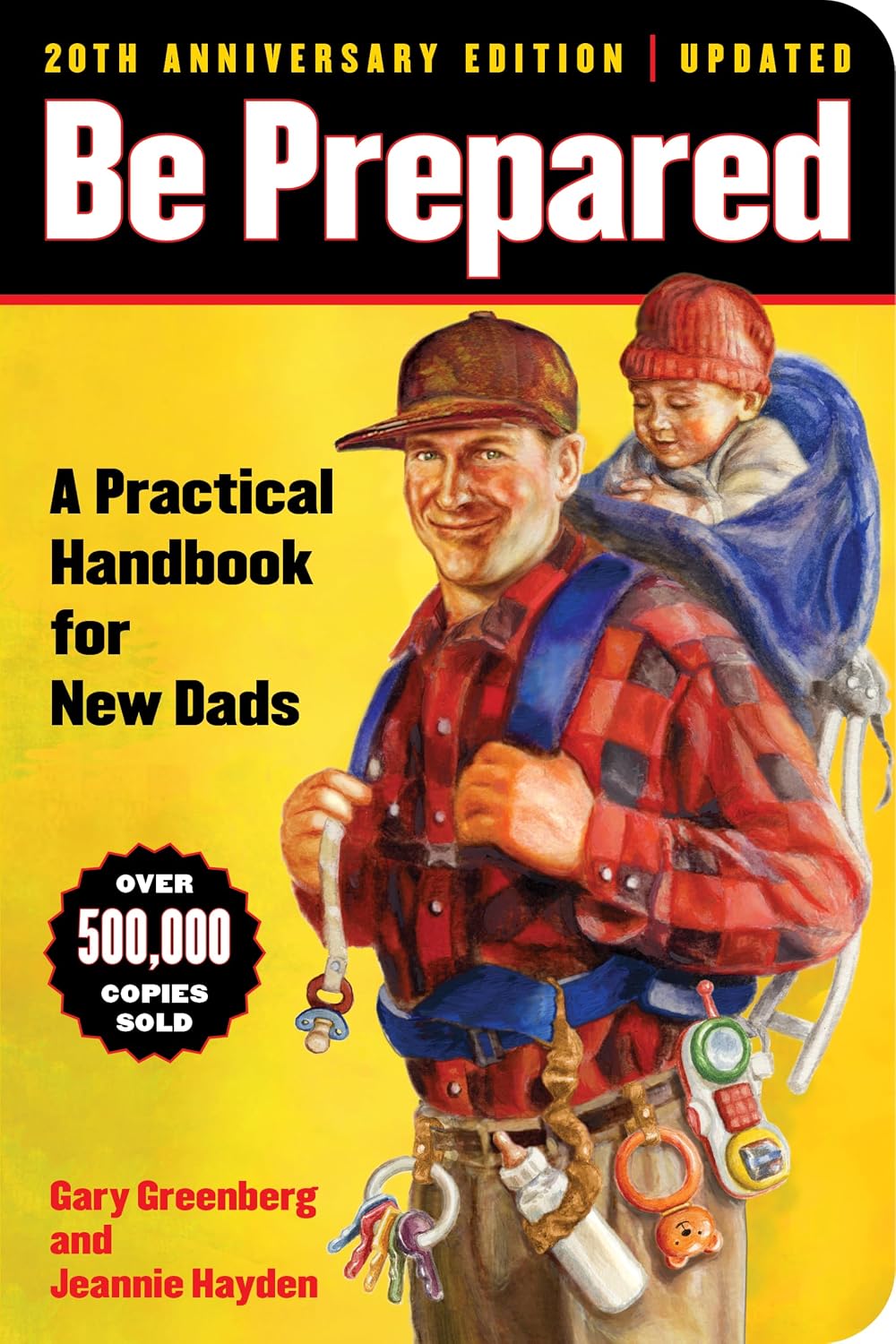
| Best for Dad Perspective | Be Prepared: A Practical Handbook for Dads | Equips new fathers with tactical, down-to-earth advice and emergency dad-hacks. |
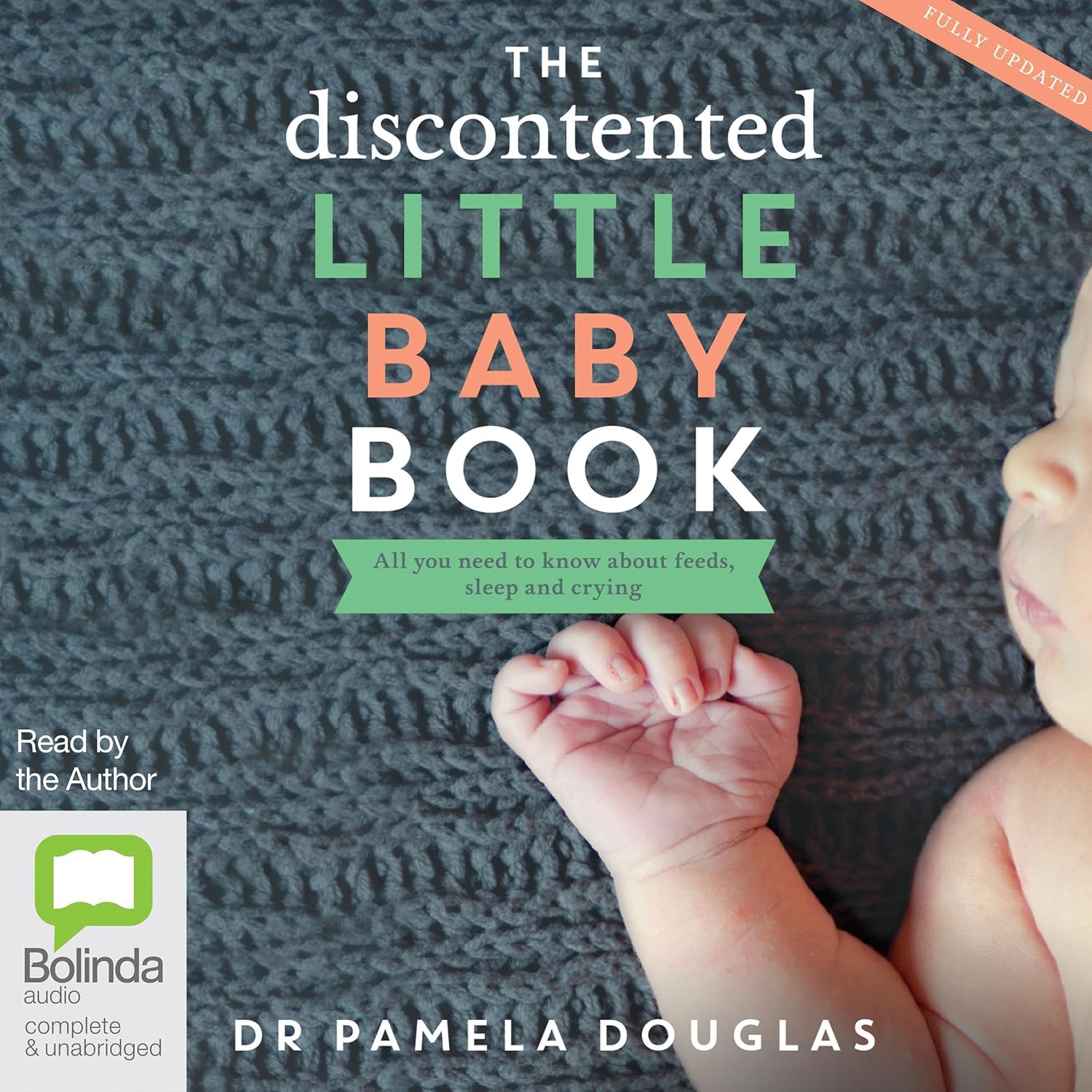
| Best Gentle Sleep Guide | The Discontented Little Baby Book | Dr. Pamela Douglas’s science-backed, low-stress approach to infant sleep and crying. |
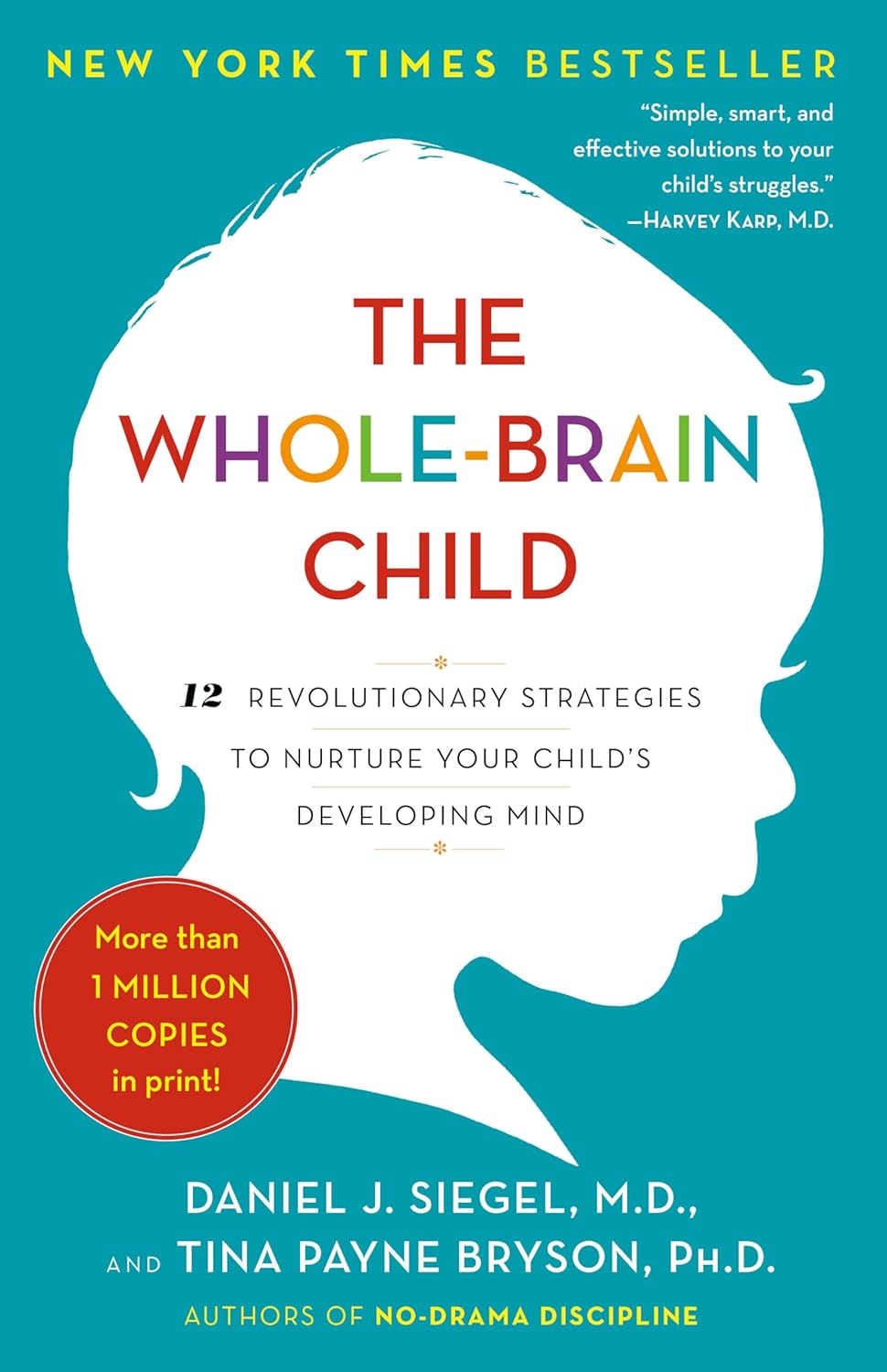
| Best Brain Development | The Whole-Brain Child | Translates cutting-edge neuroscience into 12 revolutionary strategies for nurturing growing minds. |
| Best Solid Foods / BLW | Solid Starts: The First 100 Days | The ultimate visual guide to introducing solids safely and conquering picky eating early. |
| Best Bonding & Attachment | The Attachment Parenting Book | Dr. William Sears explores deep empathy, babywearing, and responsive parenting. |
| Best Postpartum Real Talk | Cribsheet | Economist Emily Oster analyzes real data on sleep training, screen time, and breastfeeding. |
In-Depth Reviews: The 10 Best Baby Care Books of 2026
What to Expect the First Year
Author: Heidi Murkoff | Format: Paperback / Kindle
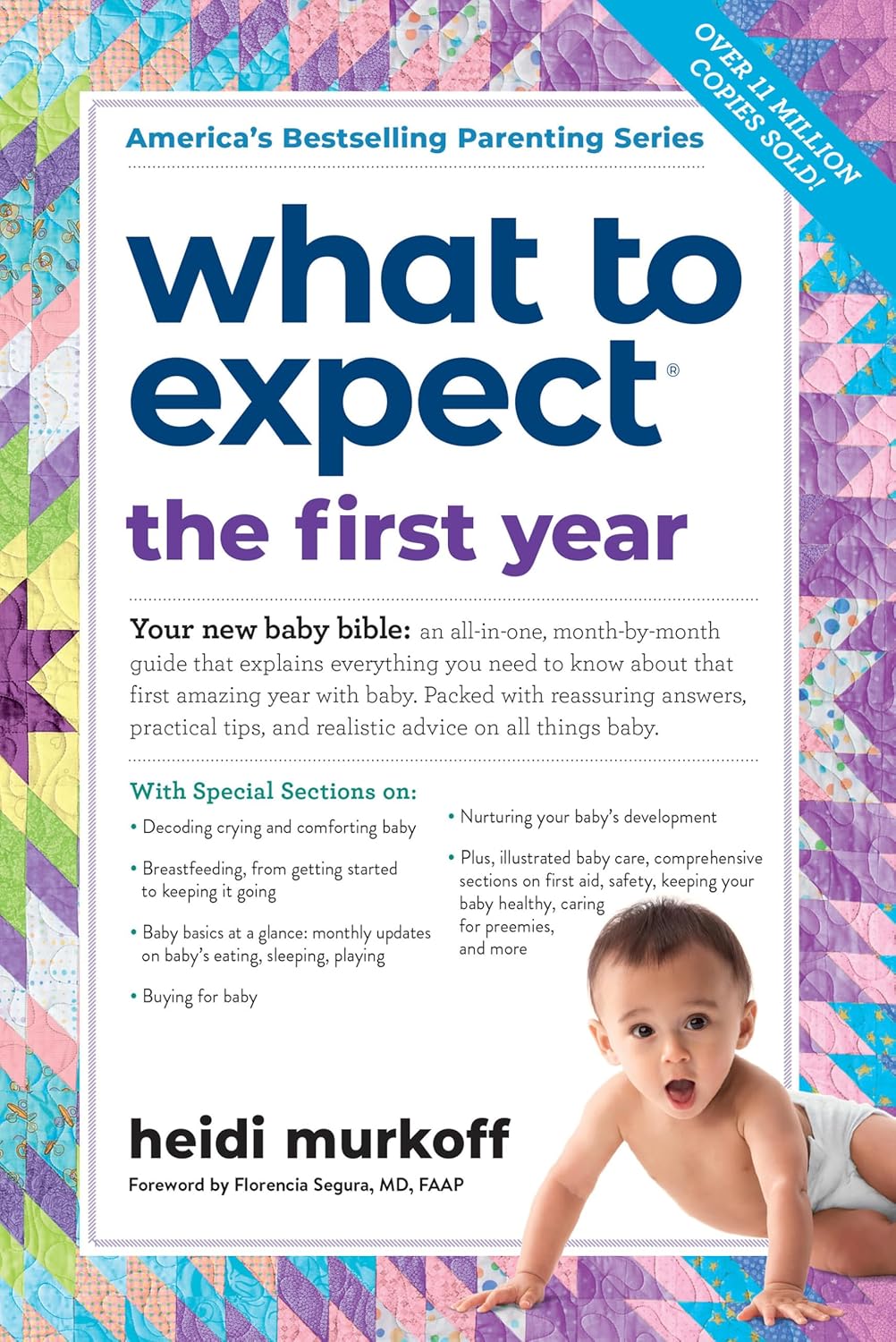
Often referred to as the “bible” of parenting books, Heidi Murkoff’s What to Expect the First Year is a massive, comprehensive guide that sits on millions of nightstands worldwide. It is structured in a brilliant month-by-month format, walking you through what physical and cognitive developments to expect as your baby transitions from a sleepy newborn to an active toddler.
What makes it invaluable is its reassuring, non-judgmental tone. When you panic over a strange rash or wonder if your baby should be crawling yet, the index quickly points you to clear, medical-reviewed answers. It covers immunizations, teething timelines, sleep regressions, and feeding milestones with incredible depth.
- Key Features: Month-by-month developmental roadmap, comprehensive symptom checker index, feeding and sleep guides.
Pros 👍
|
Cons 👎
|
The Happiest Baby on the Block
Author: Dr. Harvey Karp | Format: Revised & Updated Edition
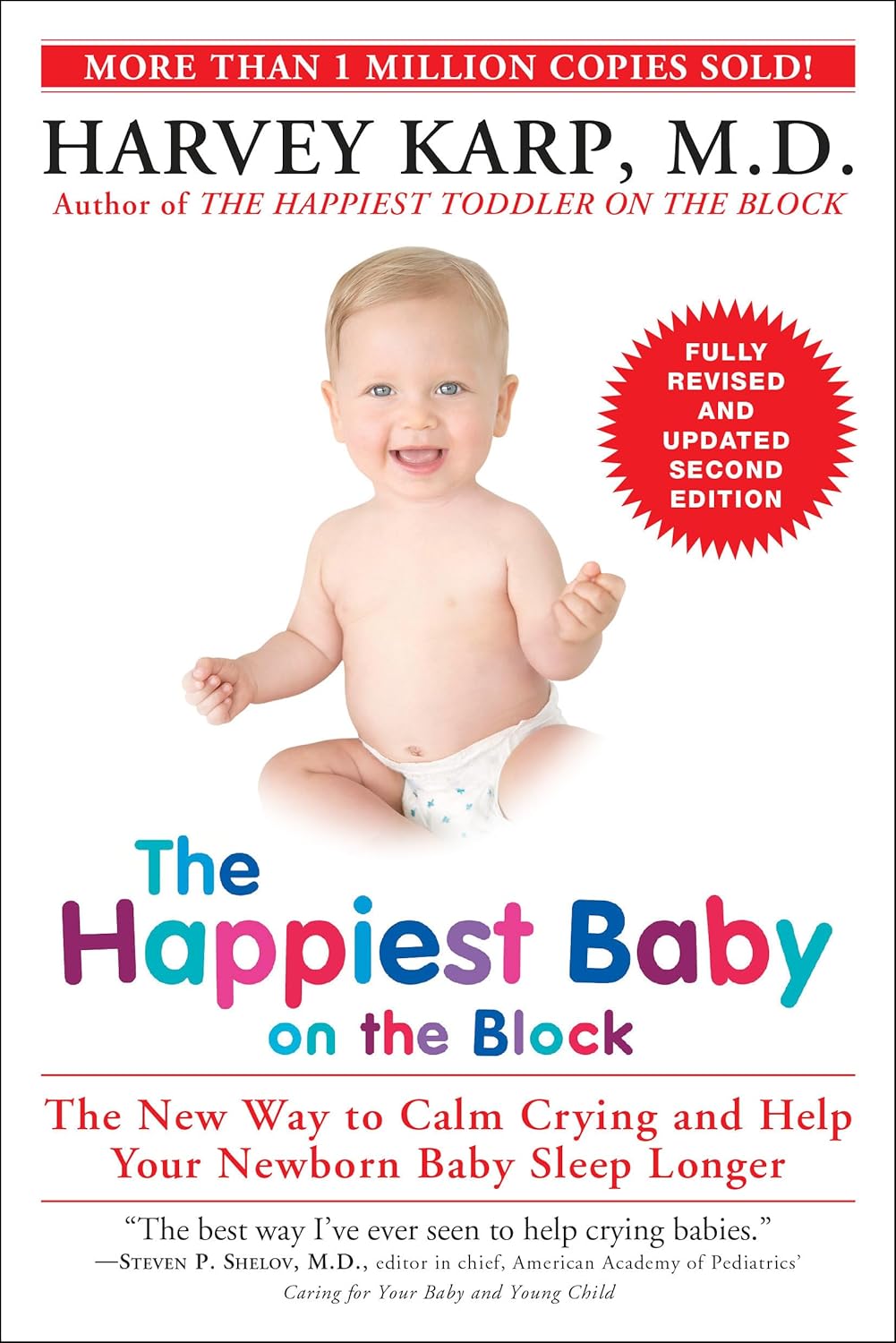
If you bring home a colicky newborn who cries inconsolably for hours, Dr. Harvey Karp’s The Happiest Baby on the Block will feel like discovering magic. Dr. Karp introduces the concept of the “Fourth Trimester” and explains that human babies are born three months too early, longing for the womb environment.
His breakthrough methodology centers around the “5 S’s”: Swaddling, Side/Stomach position, Shushing, Swinging, and Sucking. By triggering the baby’s innate “Calming Reflex,” these five simple steps can stop a crying fit in minutes. It is a practical, highly visual guide that saves parents from utter despair.
- Key Features: The 5 S’s soothing framework, explanations of infant calming reflexes, step-by-step swaddling techniques.
Pros 👍
|
Cons 👎
|
Caring for Your Baby and Young Child (8th Edition)
Author: American Academy of Pediatrics (AAP) | Format: Paperback
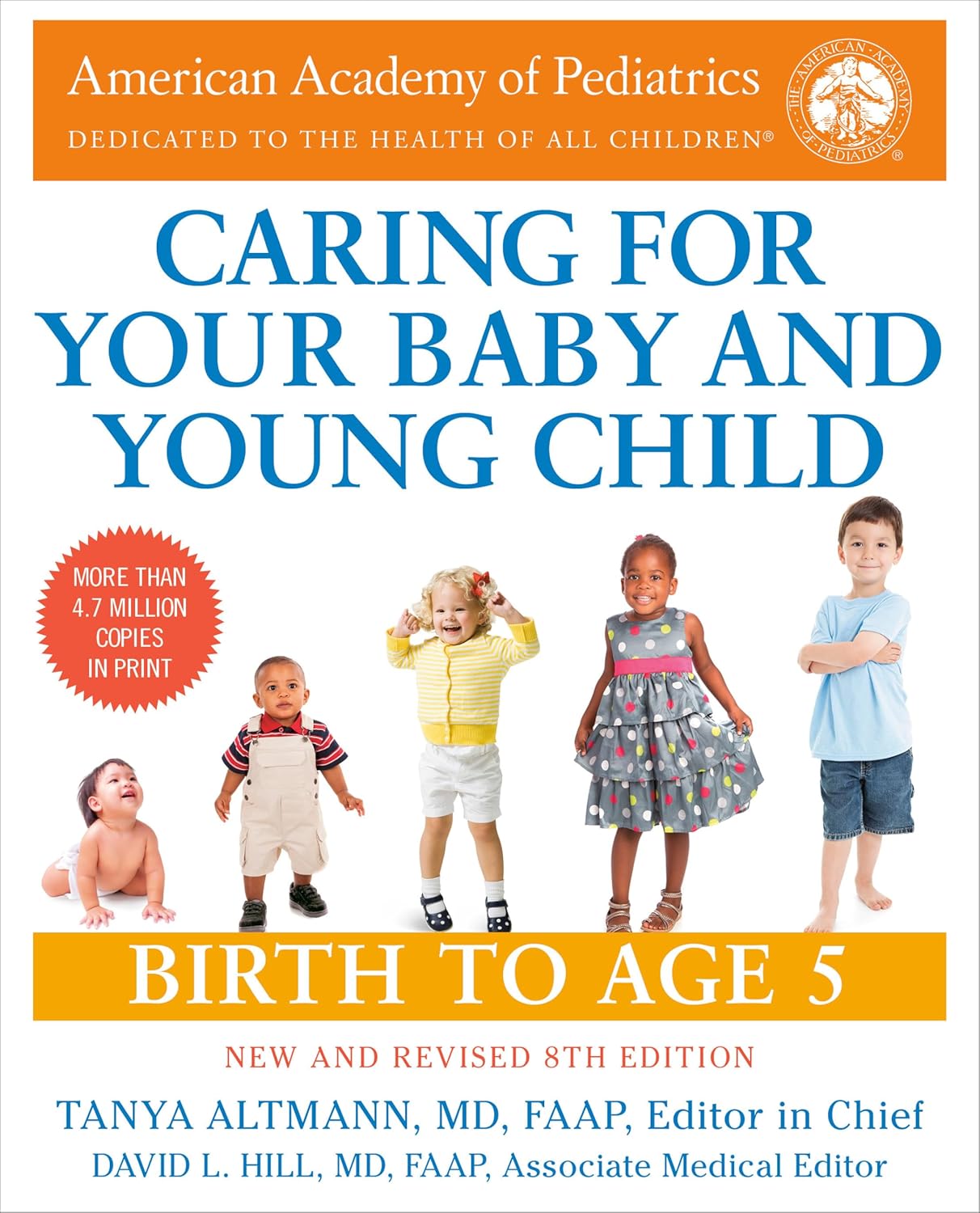
Published directly by the American Academy of Pediatrics (AAP), this is the ultimate medical authority for parents. If you want pure, unadulterated medical science free from internet myths, fleeting trends, or mom-blog opinions, this is the definitive book you need on your shelf.
It covers everything from safe sleep environments and developmental red flags to childhood illnesses, car seat safety, and behavioral discipline. When your child develops a fever or a strange cough, consulting the AAP guide provides the exact clinical clarity you need before picking up the phone to call your pediatrician.
- Key Features: Official AAP publication, comprehensive medical guidelines, growth charts, illness symptom guides, and injury prevention protocols.
Pros 👍
|
Cons 👎
|
The Baby Owner’s Manual
Author: Dr. Louis Borgenicht & Joe Borgenicht | Format: Paperback
If traditional parenting books filled with emotional prose aren’t your style, The Baby Owner’s Manual is a breath of fresh air. It tackles newborn care through the exact layout of a mechanical instruction booklet—complete with troubleshooting flowcharts, assembly diagrams, and technical specifications.
It answers practical questions like: How do you adjust the swaddle tension? How do you troubleshoot feeding errors (spit-up)? What is the proper maintenance schedule for diaper changes? It is witty, highly visual, and a massive hit for engineer dads and analytical parents who just want straightforward instructions.
- Key Features: Technical manual parody layout, schematic diagrams, troubleshooting flowcharts for sleep/feeding, humor-infused medical advice.
Pros 👍
|
Cons 👎
|
Be Prepared: A Practical Handbook for Dads
Author: Gary Greenberg & Jeannie Hayden | Format: Paperback
Many parenting books are written exclusively with mothers in mind, leaving new fathers feeling like secondary assistants. Be Prepared changes the script. It approaches fatherhood with a tactical, down-to-earth, commando-style handbook mindset.
It teaches dads how to handle high-stakes scenarios: how to change a diaper in a public men’s room with zero counter space, how to build an emergency baby stroller out of office supplies, or how to survive sleep deprivation without losing your temper. It is witty, empowering, and exceptionally practical.
- Key Features: Dad-focused humor, emergency survival hacks, step-by-step tactical parenting guides, realistic relationship advice.
Pros 👍
|
Cons 👎
|
The Discontented Little Baby Book
Author: Dr. Pamela Douglas | Format: Paperback / Kindle
Authored by Dr. Pamela Douglas, this book provides a much-needed breath of fresh air for parents drowning in conflicting sleep-training advice. Dr. Douglas completely rejects rigid, cry-it-out schedules, relying instead on modern neuroscience, sensory integration, and evolutionary biology.
The book teaches you how to understand normal infant sleep patterns without buying into unrealistic expectations that cause parental burnout. It emphasizes maternal mental health and helps you sync your life with your baby’s natural biological cues, drastically reducing nighttime stress and eliminating the guilt of “doing it wrong.”
- Key Features: Sensory integration focus, flexible sleep approaches, maternal mental health protection, science-backed crying management.
Pros 👍
|
Cons 👎
|
The Whole-Brain Child
Author: Dr. Dan Siegel & Tina Payne Bryson | Format: Paperback / Audiobook
While many baby care books stop working once your infant turns into a raging 2-year-old toddler, The Whole-Brain Child picks up right where they leave off. It translates cutting-edge neuroscience into 12 revolutionary strategies for nurturing healthy emotional minds.
It teaches you exactly how to handle meltdowns by understanding how a child’s brain works—specifically how to connect with their emotional right brain before trying to reason with their logical left brain (“Name it to Tame it”). It is an extraordinary tool for raising resilient, emotionally intelligent kids and surviving the “terrible twos.”
- Key Features: 12 practical brain-based strategies, age-appropriate illustrations, emotional regulation tools for tantrums, written by neuroscientists.
Pros 👍
|
Cons 👎
|
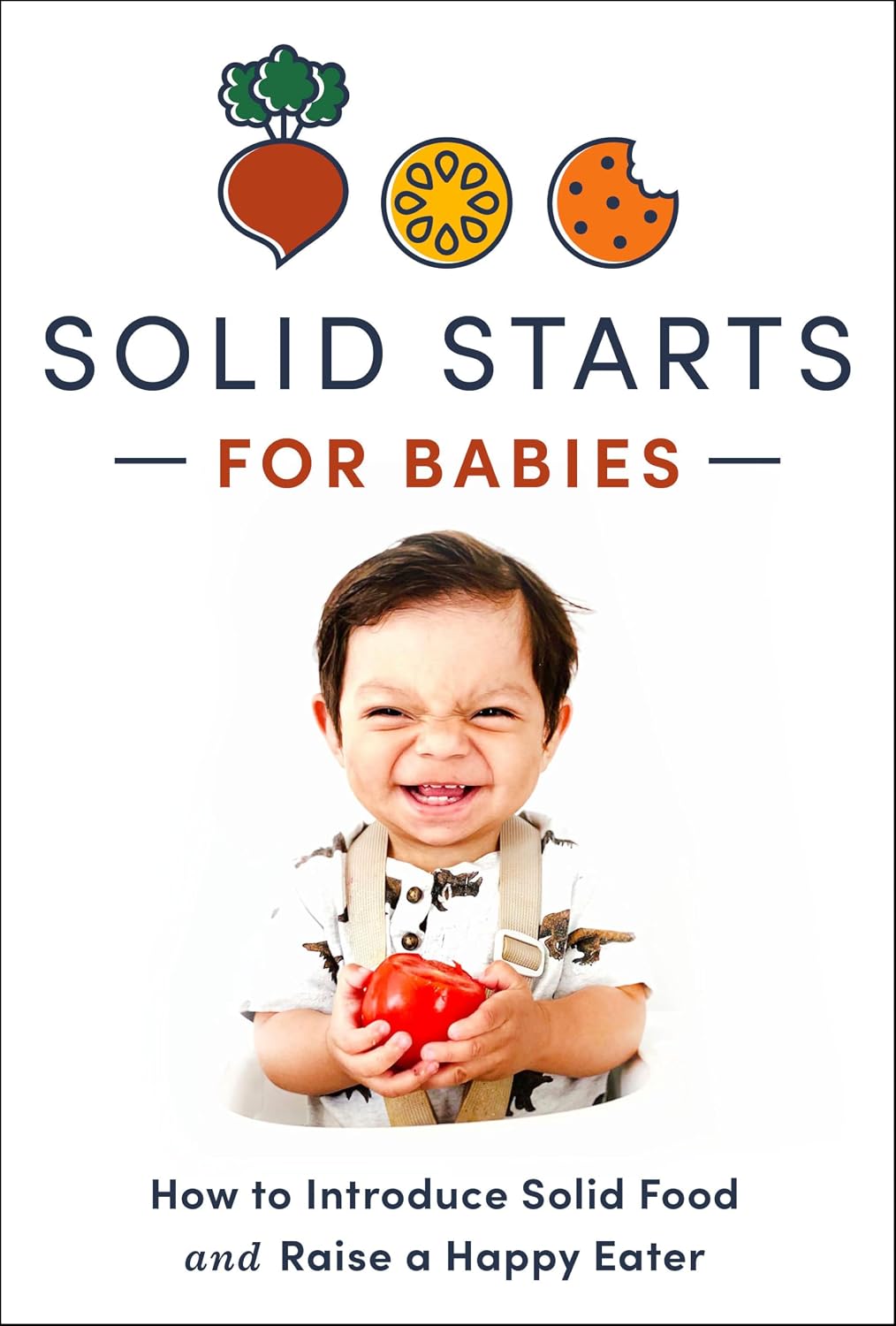
Solid Starts: The First 100 Days
Author: Jenny Best & Pediatric Specialists | Format: Paperback / App
When your baby hits 6 months old, the anxiety shifts from sleep to solid foods. Should you do purees or Baby-Led Weaning (BLW)? Will they choke? Solid Starts: The First 100 Days is the definitive, gorgeously photographed visual guide to launching solid foods safely.
Created by the viral feeding platform Solid Starts, this book shows you exact step-by-step preparation photos for how to cut foods for every age and developmental stage, how to differentiate between gagging (normal) and choking (dangerous), and how to raise adventurous, non-picky eaters from day one.
- Key Features: High-resolution cutting guides for 100+ foods, allergen introduction protocols, choking safety tips, written by pediatric feeding specialists.
Pros 👍
|
Cons 👎
|
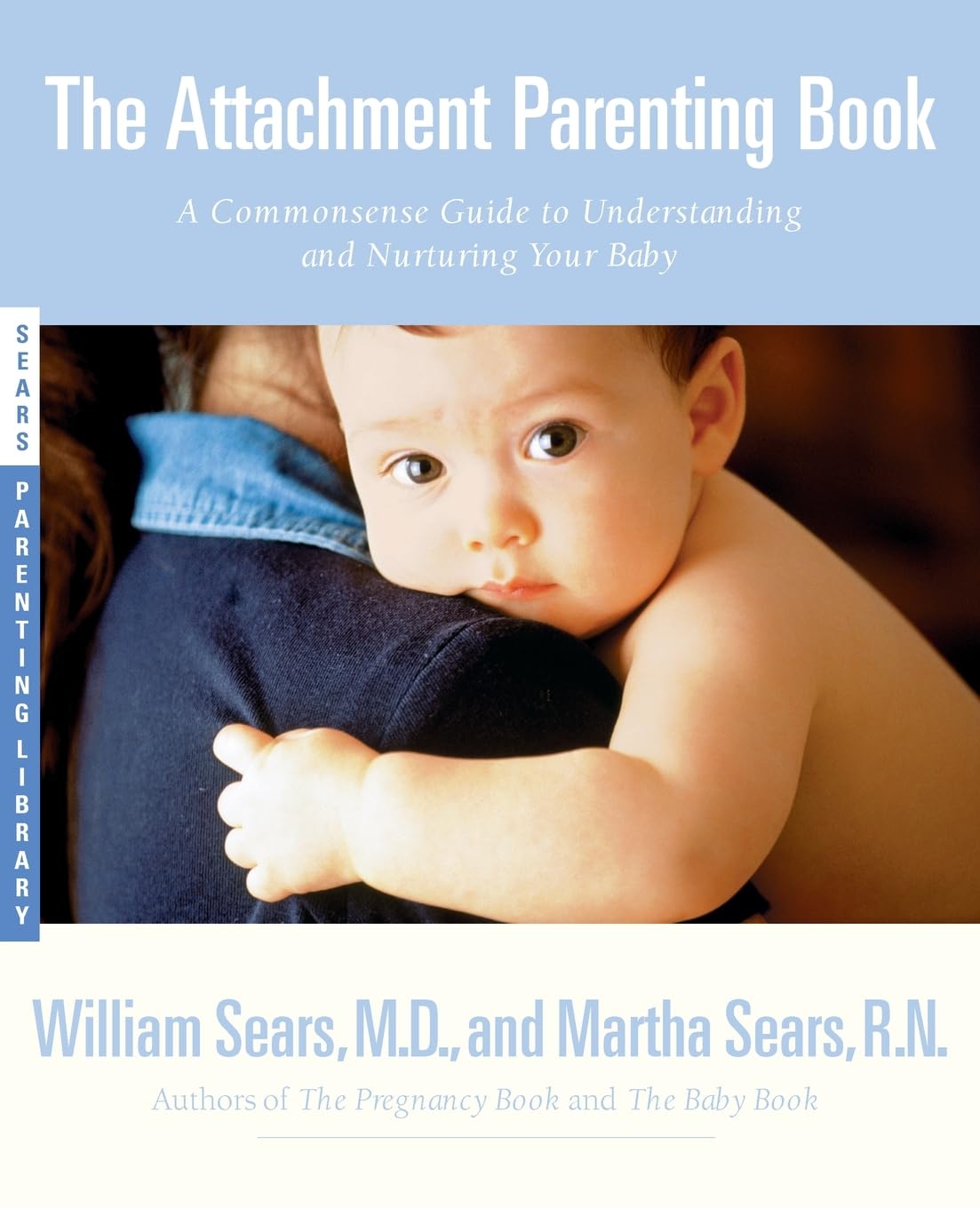
The Attachment Parenting Book
Author: Dr. William Sears & Martha Sears | Format: Paperback
Authored by renowned pediatrician Dr. William Sears and Martha Sears, The Attachment Parenting Book explores the deep biological connection between parent and child. It advocates for responsive parenting—tuning in closely to your baby’s cues rather than following arbitrary schedules or letting them “cry it out.”
It covers the foundational pillars of attachment: babywearing, safe co-sleeping or room-sharing frameworks, empathetic understanding of infant communication, and nurturing emotional security. It is a warm, deeply comforting read for parents seeking a nurturing, closely-bonded relationship with their infant.
- Key Features: Comprehensive guide to babywearing, nursing, and responsive cues, authored by the founders of the attachment parenting movement.
Pros 👍
|
Cons 👎
|
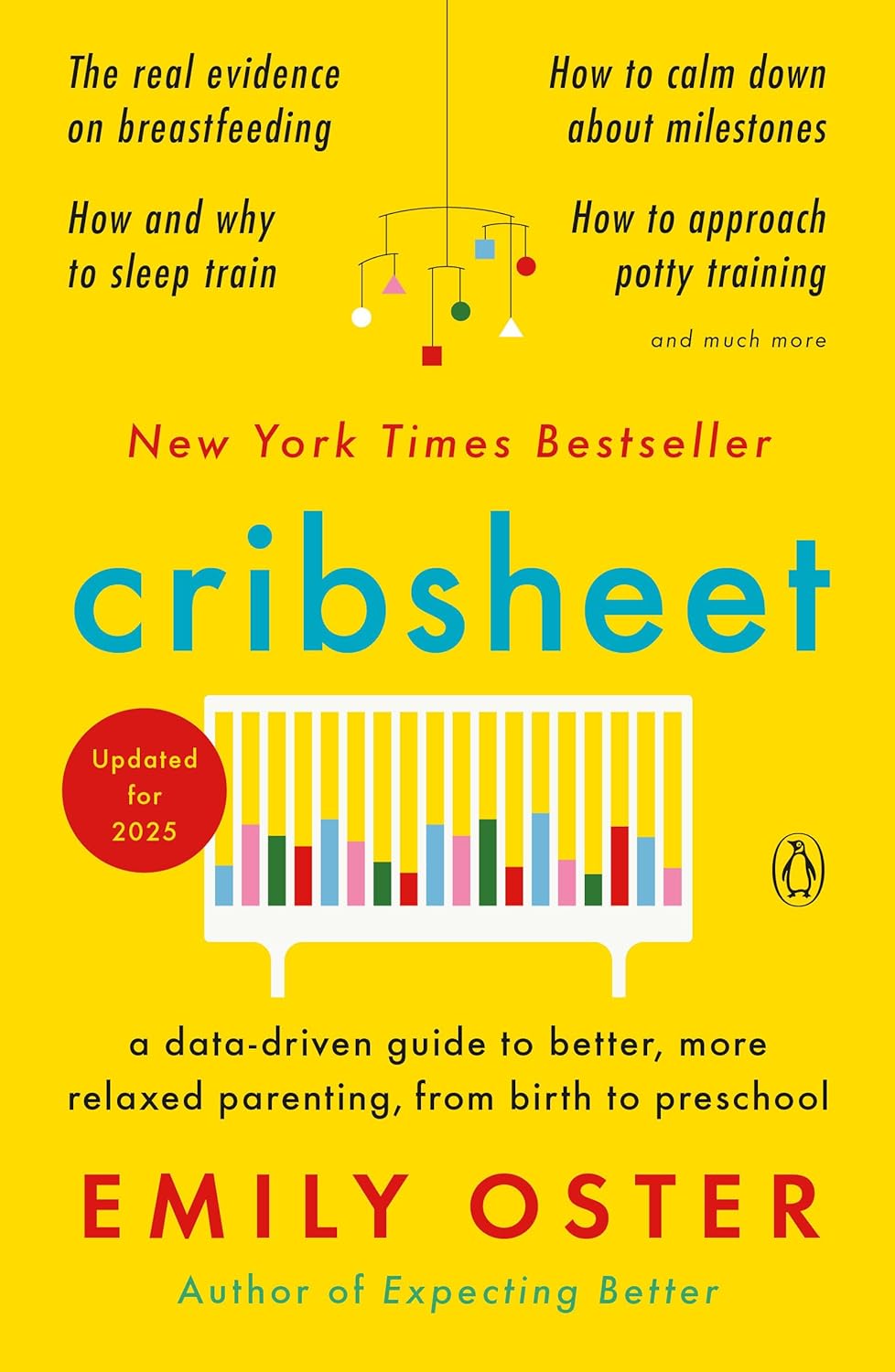
Cribsheet: A Data-Driven Guide to Parenting
Author: Emily Oster | Format: Paperback / Audiobook
Economist Emily Oster takes the emotion, shame, and judgment out of parenting by doing what she does best: crunching the numbers. In Cribsheet, Oster analyzes randomized trials and real medical data surrounding hot-button parenting topics—such as sleep training, breastfeeding benefits, potty training, and the impact of early daycare.
She separates actual proven risks from old wives’ tales and societal pressures, empowering parents to make choices based on statistics rather than mom-shaming forum threads. It is witty, analytical, and an absolute breath of fresh air for data-driven thinkers who want to know the “why” behind the rules.
- Key Features: Statistical breakdown of sleep training, breastfeeding vs. formula data, daycare outcomes, authored by a Brown University economist.
Pros 👍
|
Cons 👎
|
Summary: Best Baby Books by Need
Overwhelmed by choices? Here is our rapid cheat sheet to match your reading style:
- For the Ultimate Reference Library: Buy What to Expect the First Year and the AAP’s Caring for Your Baby. Together, they answer 99% of medical and developmental questions.
- For Immediate Newborn Survival: If you are terrified of a colicky crying baby, The Happiest Baby on the Block provides instant tactical relief.
- For the Analytical & Data-Driven: If you want to see the actual statistics behind sleep training and milestones, grab Cribsheet by Emily Oster.
- For Expectant Dads: Equip him with Be Prepared for a humorous, high-utility manual that cuts through the fluff.
How We Evaluated the Best Baby Books
At Novina Baby, books are evaluated based on utility, scientific credibility, and emotional resonance. Our editorial framework focuses on:
- Author Credentials: We prioritized books written by board-certified pediatricians, neonatal specialists, economists, and licensed child psychologists.
- Tone and Empathy: Parenting is stressful enough. We heavily penalized books that use fear-mongering or mom-shaming, rewarding those that foster confidence and reassurance.
- Accessibility: We looked at whether the book functions well as a quick 3 AM reference manual or an engaging cover-to-cover read.
Buying Guide: How to Choose the Right Parenting Books
1. Evidence-Based vs. Instinct-Based Parenting
As you build your reading list, you will notice two distinct schools of thought:
- Evidence-Based (e.g., Emily Oster, AAP): Relies on data, clinical trials, and pediatric science. Perfect for analytical parents who want to know what the statistics actually say about risks and outcomes.
- Instinct-Based / Responsive (e.g., Dr. Sears, Dr. Douglas): Relies heavily on human biology, evolutionary attachment, and trusting your maternal/paternal intuition. Perfect for parents looking to deeply attune to their infant’s emotional cues.
📚 Building Your Registry Library
You do not need to read twenty parenting books before your baby arrives. In fact, trying to do so will only increase your anxiety because every author has a slightly different opinion. We recommend selecting three books for your registry: one medical reference (like the AAP guide), one soothing/crying manual (like The Happiest Baby on the Block), and one data-driven mindset book (like Cribsheet). That is all you need to conquer the first year.
2. When to Read Them
The best time to read books like What to Expect or Cribsheet is during your second or third trimester while you still have quiet time. However, save books specifically focused on newborn soothing (like the 5 S’s) for the final month so the techniques are fresh in your memory when you bring the baby home.
⚠️ Common Parenting Book Mistakes
- Treating Books Like Rigid Laws: Remember that babies haven’t read these books! A schedule that worked wonders for an author’s baby might fail completely with yours. Use books as guidelines, not absolute scriptures.
- Buying Outdated Editions: Safety guidelines change rapidly over the years (especially regarding safe sleep, car seats, and solid food introduction). Always ensure you are buying the newest editions of classic texts.
- The “Information Overload” Trap: Avoid reading conflicting sleep-training books simultaneously. Pick one philosophy that aligns with your family values and stick to it consistently.
Frequently Asked Questions (FAQ)
Click on any question below to reveal expert answers:
If you can only pick one, What to Expect the First Year is the universal standard. It functions as an indispensable encyclopedia for every developmental phase, health question, and feeding milestone you will encounter in year one.
Audiobooks are fantastic for pregnancy and late-night nursing sessions or contact naps! However, for reference-style books with charts, indices, and symptom checkers (like the AAP guide or What to Expect), owning the physical hardcover book is much more practical so you can flip straight to the page you need.
Always default to safety and medical authorities (like the American Academy of Pediatrics) first. For lifestyle, sleep, and feeding choices, choose the philosophy that aligns best with your personal parenting values and your baby’s unique temperament.
It isn’t necessary. Your brain will already be overloaded with newborn survival information. Save toddler books (like The Whole-Brain Child) for when your baby approaches their first birthday.
What is the single best book to put on a baby registry?
Are audiobooks practical for new parents?
How do I handle conflicting advice between different books?
Do I need to read books about toddlerhood before the baby is born?
Final Verdict: Which Baby Book Should You Read First?
Knowledge is the ultimate cure for postpartum anxiety. Equipping yourself with trusted literature transforms the unknown into manageable steps.
If you want a comforting, thorough encyclopedia that covers every single month of your baby’s first year, start with What to Expect the First Year. If you want pure medical peace of mind backed by doctors, keep the AAP Caring for Your Baby and Young Child close at hand.
Read ahead, trust your instincts, and remember that you are going to be an amazing parent!
Ready to Build Your Parenting Library?
Check current stock, explore Kindle or hardcover editions, and secure the best deals on our top-rated 2026 parenting books directly on Amazon.